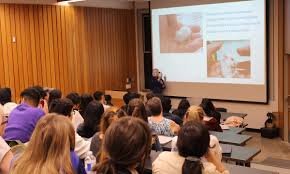
Academics in college are a whole new world compared to school life. The shift is not just about higher-level content—it’s about how students learn, manage time, and adapt to a more independent and competitive academic environment. College education lays the intellectual foundation for a student’s future career and personal development, but it also brings its own set of challenges.
From Spoon-Feeding to Self-Learning
In school, teachers often guide students closely, repeating key concepts and reminding them about homework or exams. In college, however, students are expected to take initiative. Professors deliver lectures and provide resources, but the responsibility to study, revise, and understand lies mostly with the student. This shift from spoon-feeding to self-learning can be difficult at first but becomes one of the most valuable lessons of college.
A Diverse Academic Environment
College offers a wide range of academic options—different majors, electives, and specializations. This allows students to explore subjects that genuinely interest them, rather than following a fixed curriculum. Group projects, presentations, internships, and research opportunities enrich the learning process and help bridge the gap between theory and practice.
Workload and Time Management
One of the biggest challenges in college academics is managing the workload. Assignments, labs, semester exams, surprise quizzes, and presentations often pile up—especially if students don’t stay organized. Time management becomes essential. Successful students often use planners, calendars, or apps to balance academic responsibilities with extracurriculars and social life.
Competition and Pressure
In many colleges, especially in professional or technical courses, academic competition is intense. Students compare grades, GPAs, and internships, which can lead to stress and self-doubt. However, it’s important to remember that college is not just about marks—it’s about learning and growth. Competing with yourself to improve is far more valuable than comparing yourself with others.
Support Systems Matter
Fortunately, most colleges have academic advisors, counseling services, and peer support programs. Building healthy relationships with professors and classmates can also make a big difference. Study groups are a great way to stay motivated and understand difficult topics more deeply.
Conclusion
Academics in college are challenging but rewarding. They prepare students for the professional world and teach them discipline, critical thinking, and problem-solving. While the journey can be stressful at times, it also offers countless opportunities for personal and intellectual growth. With the right attitude and effective habits, students can thrive academically and make the most of their college years.